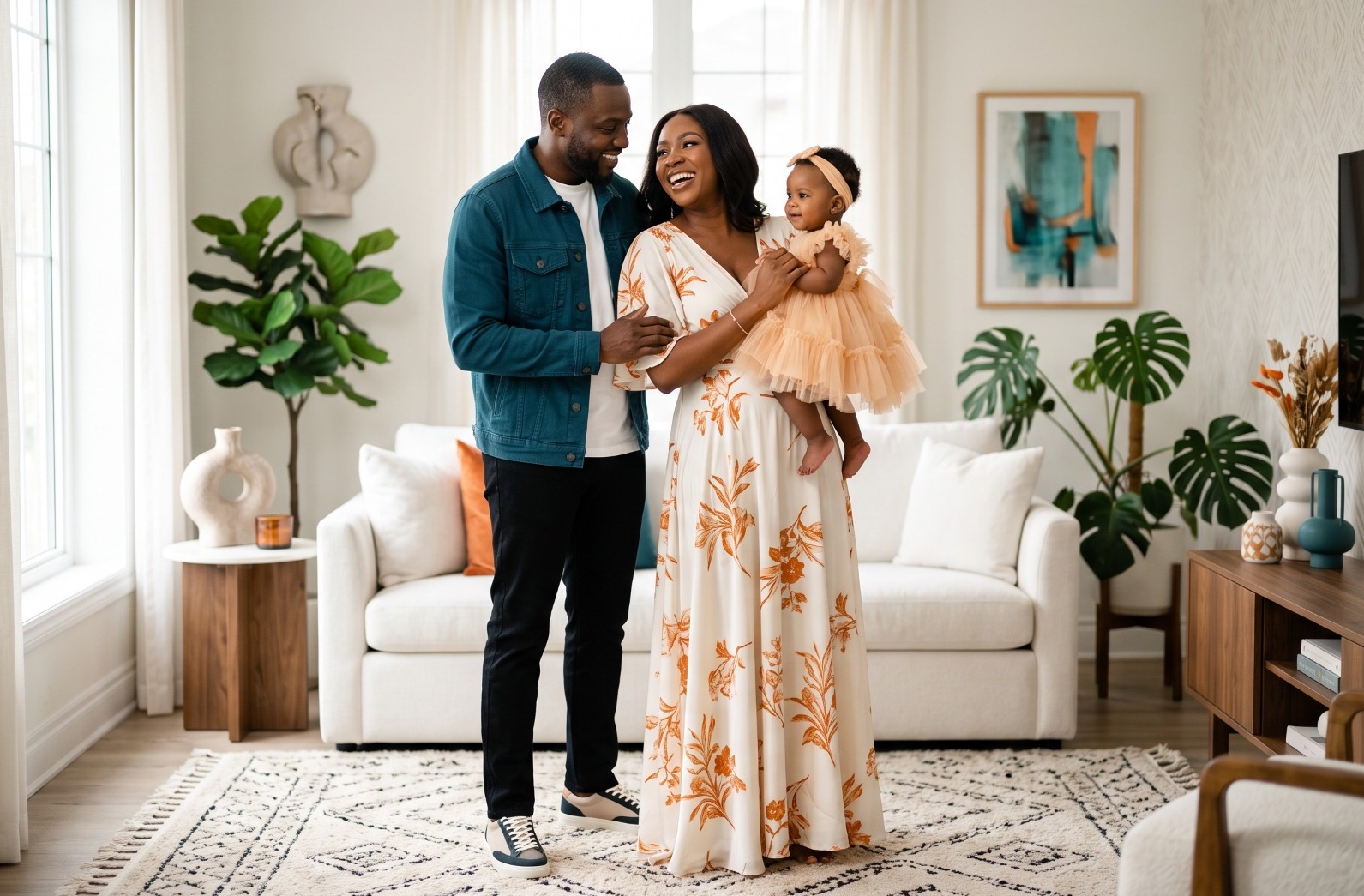
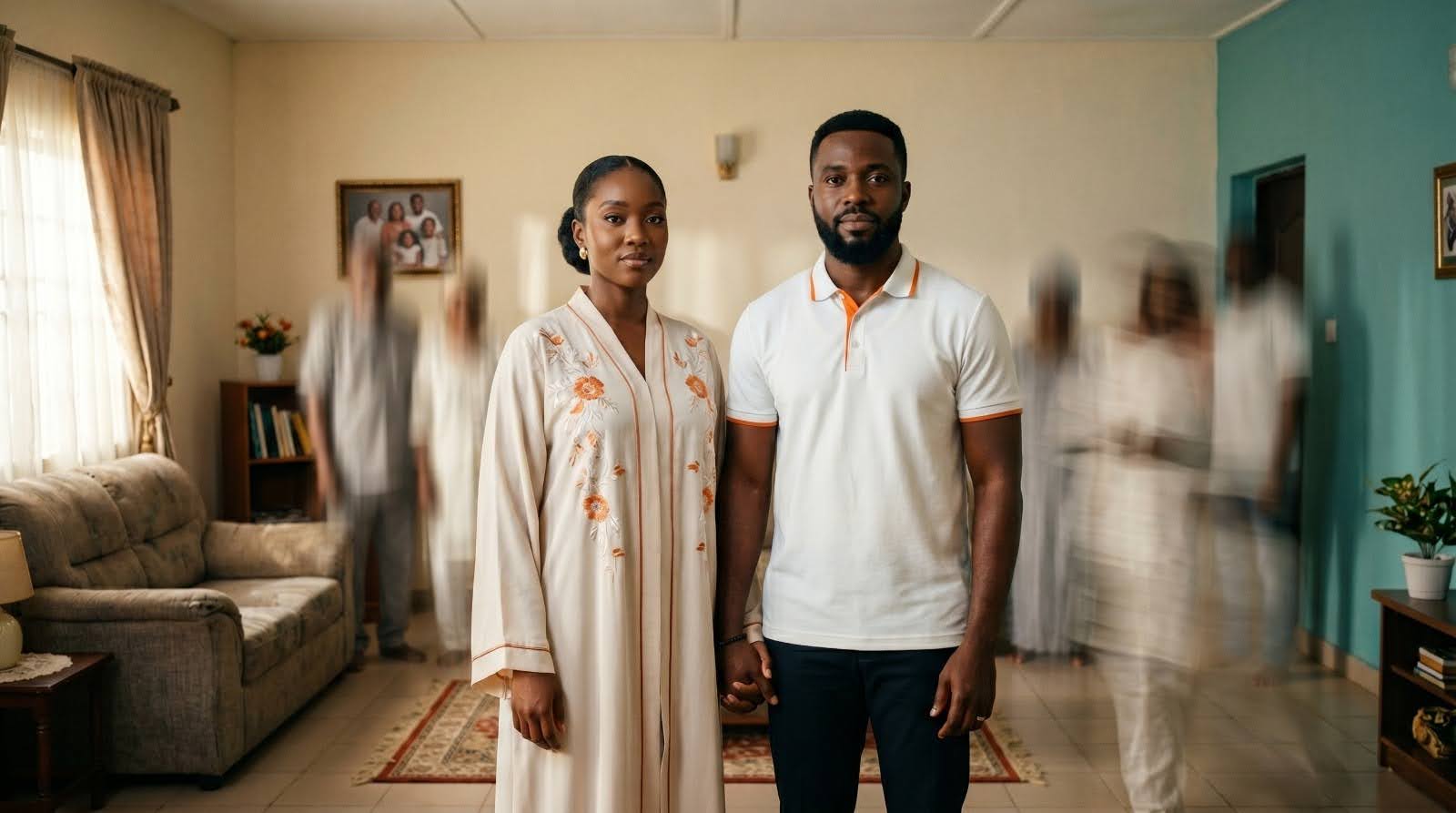
There is an unspoken clock that starts ticking the moment you get married. It is not exactly the gentle rhythm of time passing. Rather, it is the loud, urgent, and often unforgiving ticking that begins almost immediately. What sounds like concern often carries expectation, and what feels like advice is sometimes pressure dressed in tradition.
The societal script is usually dating, marriage, then children, quickly and without pause. It is presented as the natural order of life, the proof that everything is working as it should, and when that sequence is delayed, people start to look for reasons and assume that something is wrong.
But what if nothing is wrong?
What if choosing to wait is not a failure, but a decision? The idea of delaying parenthood is no longer unusual; it is often the difference between raising children under pressure and raising them in peace.
Couples who start later often enter parenthood with a deeper sense of stability, and they have had time to understand each other beyond the surface. They have argued, resolved conflicts, and built a foundation that is not easily shaken. That foundation matters more than people admit.
Early parenthood can sometimes happen in the middle of the chaos of uncertain careers, stretched finances, and a lack of emotional maturity. In those conditions, raising a child can feel like survival. It can be done, but often with stress. Waiting changes that experience.
When you delay, you give yourself time to prepare, materially and psychologically. You enter parenthood with intention rather than urgency. You are less likely to feel trapped by responsibilities because you chose them at the right time.
There is also a quiet confidence that comes with starting later. You are not easily shaken by opinions. You have heard enough voices to know which to ignore. So, when the advice starts coming, and it will, you are better equipped to filter it. You parent with clarity, not confusion.
Financial stability is another major shift. Raising children in Nigeria today is not cheap. Education, healthcare, housing, food, and basic comfort all require intentional planning. Couples who wait often have stronger financial footing. They have savings. They have investments. They have careers that are more established.
This does not mean wealth, but it means breathing room. It means fewer sleepless nights over school fees. It means being able to provide without constant anxiety. And that peace reflects in the home.
Children raised in stable environments benefit from parents who are not stretched to their limits. When you are not constantly worried about money or identity or unfinished dreams, you are more present. You listen more, respond better, and create a home where your child feels secure, not just physically, but emotionally.
There is also the matter of choice. When parenting happens too early because of pressure, it can feel like something that happened to you. When it happens later, it feels like something you stepped into willingly. The difference is powerful. It shapes how you approach the responsibility and influences your patience, your involvement, and your overall experience.
Of course, delaying parenthood is not without its challenges. Society does not easily accept deviation from tradition. The questions do not stop. Family members may worry or even interfere. Cultural expectations are deeply rooted, and going against them can feel isolating at times.
There are also biological considerations, especially for women. Fertility is a real factor, and it cannot be ignored. But even here, the conversation is changing. More people are becoming informed. More couples are planning with medical guidance. More options are available today than in the past. The decision to wait is no longer blind. It is informed.
What is important is balance. Not blind delay, and not blind obedience to pressure. The goal is not to prove a point to society. It is to create a life that works for you.
There is a quiet strength in choosing your own timing. It means you are willing to face discomfort now in exchange for peace later. It means you are not building your life to impress others, but to sustain yourself and your family.
And slowly, that mindset is spreading.
Across cities like Lagos, Abuja, and Port Harcourt, you see more couples redefining what marriage looks like. Some focus on building businesses first. Some travel. Some invest in personal growth. Some simply take time to enjoy their relationship without rushing into the next phase. It is not rebellion. It is evolution.
The idea that there is only one “right time” to have children is no longer fashionable. In its place is a more honest conversation about readiness and capacity.
Because at the end of the day, parenting is not a race. There is no prize for starting early if you are not prepared. There is no medal for following a timeline that leaves you exhausted and overwhelmed.
What matters is the life you give your child and the peace you maintain within yourself. Outside of all the noise, the pressure, and the expectations, you begin to see clearly that parenthood is not just about having children. It is about raising them well, about being present, stable, and intentional.
And sometimes, the best way to do that is to wait. To step back from the crowd, to ignore the ticking clock. To trust your own timing. In the end, peace is not found in meeting society’s expectations. It is found in living a life that feels right for you.