|

Gynaecological Endoscopy (Laparoscopy & Hysteroscopy) in Nigeria

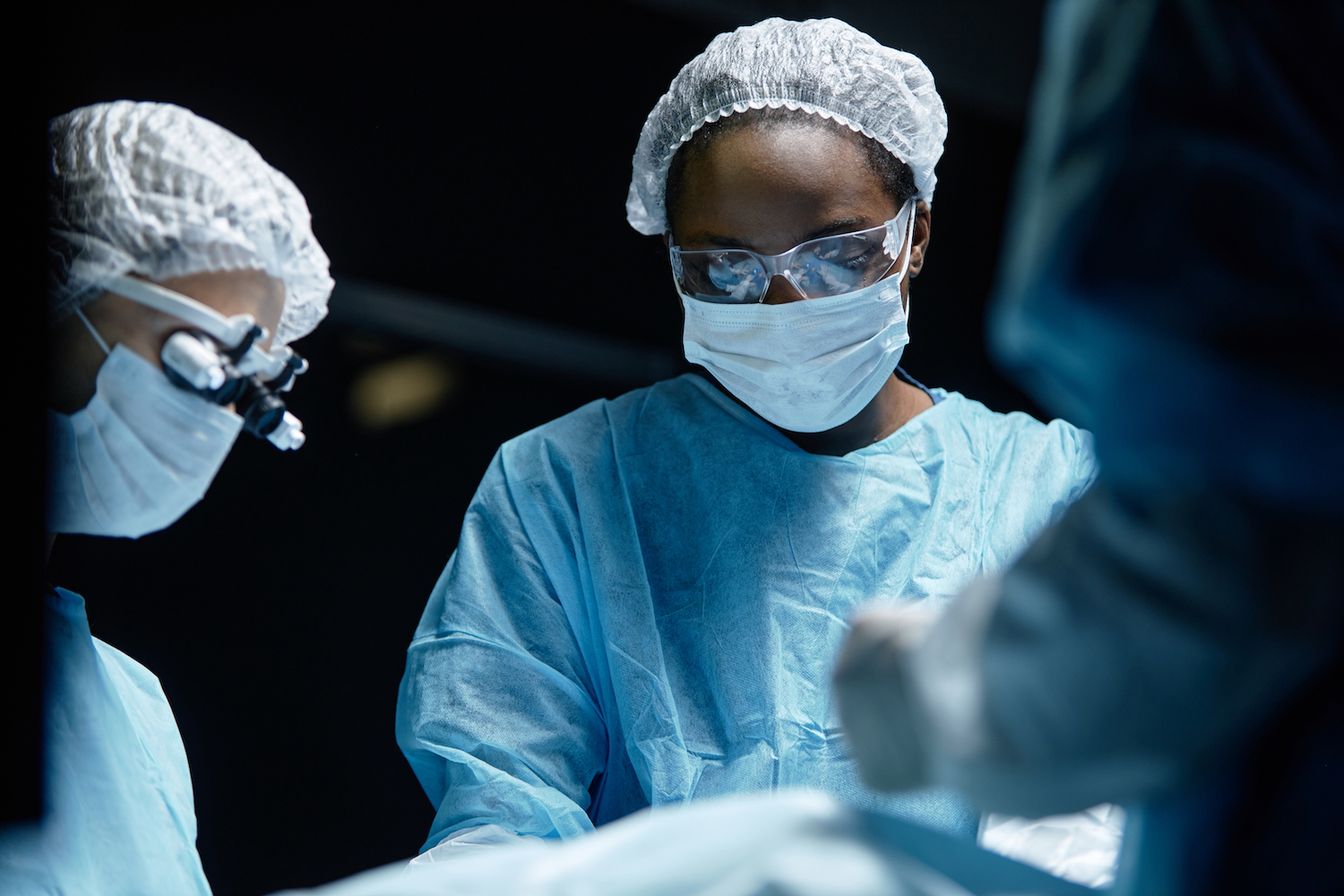
medical team in operating room 2026 03 19 23 31 31 utc - Nordica Fertility Centre - Top IVF Facility in Nigeria - Best IVF in Lagos, Asaba, Abuja
Many gynaecological conditions that affect fertility, menstrual health, and pelvic wellbeing can now be diagnosed and treated without the need for major open surgery. Gynaecological Endoscopy is a minimally invasive approach that enables fertility specialists to examine and treat conditions affecting the uterus, fallopian tubes, ovaries, and pelvic cavity using specialised instruments inserted through very small incisions or natural body openings.

At Nordica Fertility Centre, our comprehensive endoscopy programme combines advanced surgical technology with experienced gynaecological surgeons to provide accurate diagnosis and effective treatment for a wide range of reproductive health conditions. Whether you are experiencing pelvic pain, recurrent miscarriage, infertility, fibroids, or abnormal uterine bleeding, minimally invasive surgery may provide both diagnostic answers and effective treatment while reducing recovery time.

What Is Gynaecological Endoscopy?

Gynaecological Endoscopy refers to a group of minimally invasive surgical procedures used to diagnose and treat disorders affecting the female reproductive system. Unlike traditional open surgery, endoscopic procedures require only very small incisions or in some cases, no external incisions at all, allowing patients to recover more quickly with less discomfort.

The two main types of gynaecological endoscopy are Laparoscopy and Hysteroscopy.

Both procedures allow specialists to directly examine reproductive organs using high-definition cameras and specialised surgical instruments. Depending on the findings, many abnormalities can be treated during the same procedure without requiring additional surgery.

For women experiencing infertility, gynaecological endoscopy often plays an important role in identifying conditions that cannot always be detected through ultrasound scans or routine examinations. Treating these conditions may improve natural fertility or prepare patients for treatments such as Intrauterine Insemination (IUI) or In Vitro Fertilization (IVF).

Who May Benefit from Gynaecological Endoscopy?

Your fertility specialist or gynaecologist may recommend endoscopic evaluation if there is a need to investigate symptoms or treat conditions affecting your reproductive health.

Gynaecological endoscopy may be appropriate for women who:

  • Have been trying to conceive without success
  • Experience chronic pelvic pain
  • Have painful or unusually heavy menstrual periods
  • Have suspected endometriosis
  • Have uterine fibroids
  • Have ovarian cysts
  • Have blocked fallopian tubes
  • Experience recurrent miscarriage
  • Have abnormal uterine bleeding
  • Have suspected uterine abnormalities
  • Require removal of uterine polyps
  • Have intrauterine adhesions (Asherman’s syndrome)
  • Need further investigation after an abnormal fertility assessment

Following a Comprehensive Gynaecological Assessment, your specialist may recommend laparoscopy or hysteroscopy if additional evaluation or treatment is needed before beginning fertility treatment.

Types of Gynaecological Endoscopy

The choice between laparoscopy and hysteroscopy depends on the area of the reproductive system that requires examination or treatment.

Laparoscopy

Laparoscopy is a minimally invasive surgical procedure used to examine the outside of the uterus, ovaries, fallopian tubes, and other pelvic organs.

During the procedure, a laparoscope, a thin telescope fitted with a high-definition camera is inserted through a small incision just below the navel. Additional tiny incisions may be made to introduce specialised surgical instruments when treatment is required.

Because laparoscopy provides a direct view of the pelvic organs, it is often considered one of the most effective methods for diagnosing conditions that may not be clearly visible on ultrasound imaging alone.

Laparoscopy may be used to:

  • Diagnose blocked fallopian tubes
  • Treat tubal adhesions
  • Remove scar tissue surrounding the ovaries or fallopian tubes
  • Diagnose and treat endometriosis
  • Remove ovarian cysts
  • Perform laparoscopic myomectomy for fibroid removal
  • Carry out ovarian drilling in selected women with Polycystic Ovary Syndrome (PCOS)
  • Investigate unexplained infertility
  • Assess pelvic anatomy before advanced fertility treatment

For many women, correcting these conditions can improve the chances of natural conception or increase the likelihood of success during IVF treatment.

Hysteroscopy

Hysteroscopy is a minimally invasive procedure used to examine the inside of the uterus.

Unlike laparoscopy, hysteroscopy does not require abdominal incisions. Instead, a thin instrument called a hysteroscope is gently passed through the vagina and cervix into the uterine cavity, allowing the specialist to view the inside of the uterus in detail.

The procedure can be used for both diagnosis and treatment during the same session.

Hysteroscopy may be recommended to:

  • Diagnose and treat Asherman’s syndrome
  • Remove endometrial polyps
  • Remove submucosal fibroids located within the uterine cavity
  • Correct uterine septa that divide the uterine cavity
  • Dilate a narrowed cervix (cervical stenosis)
  • Remove embedded intrauterine devices (IUDs)
  • Investigate abnormal uterine bleeding
  • Evaluate recurrent miscarriage or implantation failure

For women preparing for fertility treatment, hysteroscopy helps ensure that the uterine cavity provides the most suitable environment for embryo implantation.

Benefits of Gynaecological Endoscopy

Minimally invasive surgery offers several advantages over conventional open surgery, making it the preferred approach whenever appropriate.

Some of the key benefits include:

Smaller Incisions

Laparoscopic procedures require only tiny incisions, resulting in less tissue damage and minimal scarring compared with traditional surgery.

Faster Recovery

Because the procedures are minimally invasive, most patients recover more quickly, spend less time in hospital, and are able to return to their normal daily activities sooner.

Reduced Pain After Surgery

Smaller surgical incisions generally result in less post-operative discomfort and reduced reliance on pain medication during recovery.

Lower Risk of Infection

Minimally invasive techniques reduce exposure of internal tissues, helping to lower the risk of post-operative infections and certain surgical complications.

Improved Fertility Outcomes

Treating reproductive conditions such as endometriosis, fibroids, adhesions, uterine polyps, or blocked fallopian tubes may improve fertility and create a healthier environment for conception, whether naturally or through assisted reproductive treatments.

Gynaecological Endoscopy and Fertility Treatment

Many women undergoing fertility treatment first require surgical correction of underlying reproductive conditions before pregnancy can be achieved.

Depending on your diagnosis, gynaecological endoscopy may be recommended before beginning treatments such as Ovulation Induction & Cycle Monitoring, IUI, or IVF. Removing fibroids that distort the uterine cavity, treating endometriosis, removing adhesions, or correcting uterine abnormalities may improve reproductive outcomes and increase the chances of successful implantation.

Your fertility specialist will determine whether surgery is necessary based on your fertility assessment and individual treatment goals.
Why Choose Nordica Fertility Centre

Nordica Fertility Centre is recognised as one of Nigeria’s leading centres for fertility care and minimally invasive gynaecological surgery.Having successfully managed thousands of gynaecological cases, our team has extensive experience in performing laparoscopic and hysteroscopic procedures using internationally accepted techniques.

Under the leadership of Dr. Abayomi Ajayi, whose professional affiliations include respected international gynaecological endoscopy organisations, patients benefit from advanced expertise supported by world-class clinical standards. From initial consultation through surgery and post-operative care, every treatment plan is personalised to your medical condition, fertility goals, and long-term reproductive wellbeing.

Restore Your Reproductive Health with Expert Care

If you have been diagnosed with fibroids, endometriosis, ovarian cysts, blocked fallopian tubes, or other gynaecological conditions affecting your fertility or quality of life, minimally invasive surgery may provide an effective solution.

At Nordica Fertility Centre, our experienced specialists combine advanced endoscopic techniques with personalised fertility care to help you move confidently towards better reproductive health and your goal of parenthood.

Book a consultation today to learn whether Gynaecological Endoscopy is the right treatment option for your individual needs.

Frequently Asked Questions

What is gynaecological endoscopy?
Gynaecological endoscopy refers to minimally invasive procedures such as laparoscopy and hysteroscopy that are used to diagnose and treat conditions affecting the female reproductive system.
Laparoscopy examines the pelvic organs through small abdominal incisions, while hysteroscopy examines the inside of the uterus through the vagina and cervix without external incisions.
Not always. The investigations performed depend on your symptoms, medical history, and clinical findings. Your doctor will explain which examinations are appropriate for your individual situation.
Although performed in an operating theatre, these procedures are minimally invasive and generally involve smaller incisions, shorter hospital stays, and faster recovery than traditional open surgery.
Recovery depends on the specific procedure performed. Many patients return to light daily activities within a few days, although your doctor will provide individual recovery advice based on your surgery.
Not always. Some women conceive naturally after treatment, while others may still benefit from fertility treatments such as IUI or IVF. Your fertility specialist will recommend the most appropriate next step based on your diagnosis and reproductive goals.

Take the
first step.

Because nothing compares to
the joy of holding your own baby.