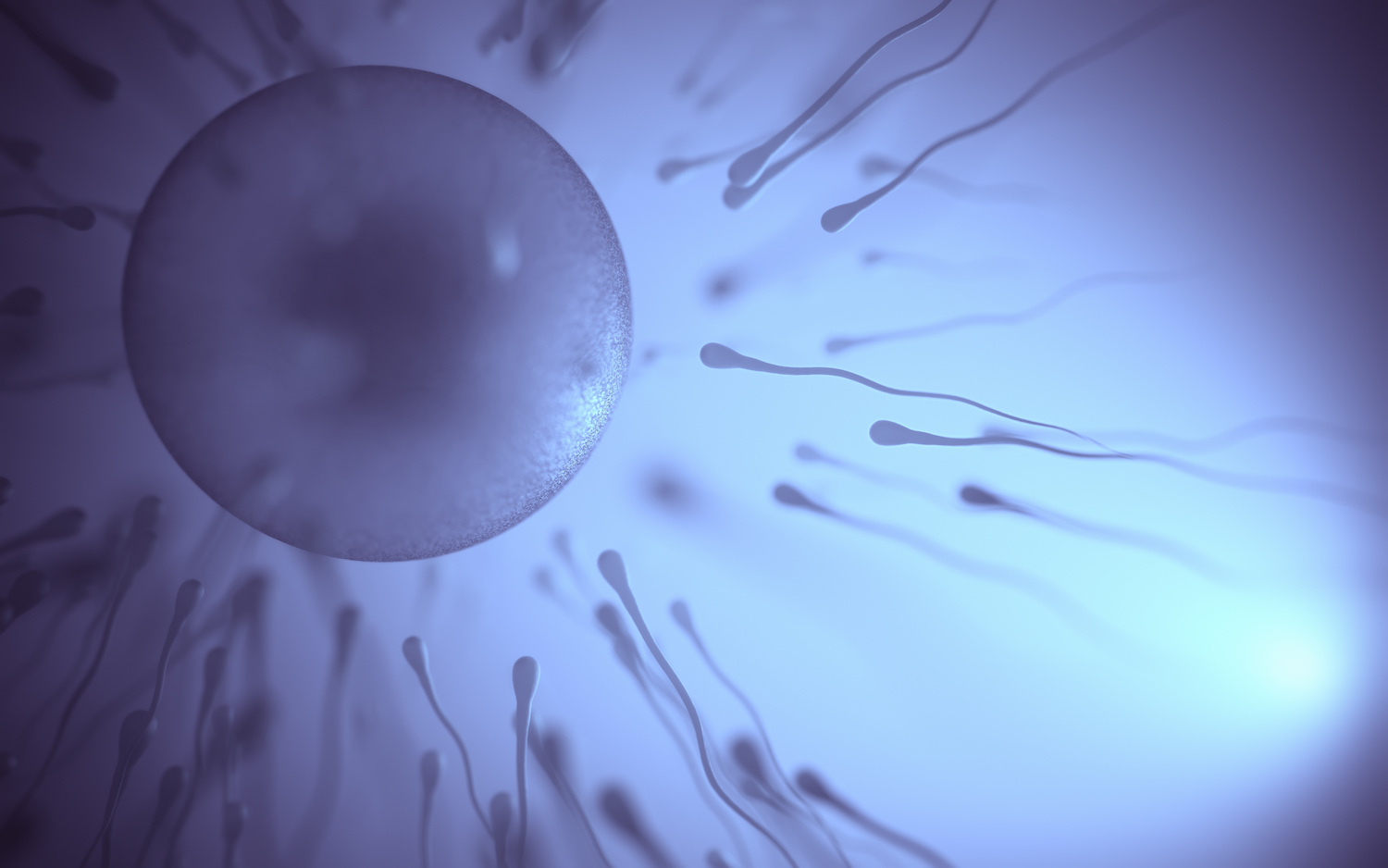
Ovulation induction is a fertility treatment that uses medication to encourage the ovaries to develop and release mature eggs. It is commonly recommended for women who experience irregular ovulation or anovulation (the absence of ovulation), making it difficult to conceive naturally.
Cycle monitoring involves closely tracking the body’s response to treatment through ultrasound scans and hormonal assessments. This allows fertility specialists to monitor follicle growth, determine when ovulation is likely to occur, and recommend the most appropriate timing for conception.
For many patients, ovulation induction is one of the first fertility treatments recommended before considering more advanced options such as Intrauterine Insemination (IUI) or In Vitro Fertilization (IVF).
Ovulation induction may be recommended for women whose fertility assessment shows that ovulation is irregular, infrequent, or absent.
This treatment may be suitable for:
A comprehensive fertility evaluation helps determine whether ovulation problems are the primary cause of infertility or whether additional investigations are needed. Your fertility specialist may recommend a Comprehensive Gynaecological Assessment to identify any underlying conditions that could affect fertility and guide the most appropriate treatment plan.
One of the most common causes of ovulation problems is Polycystic Ovary Syndrome (PCOS). PCOS is a hormonal condition that can interfere with the normal growth and release of eggs from the ovaries, making conception more difficult.
Women with PCOS may experience:
Although PCOS is a common cause of infertility, many women with the condition successfully conceive with appropriate fertility treatment and careful medical monitoring.
Ovulation induction treatment is carefully planned and monitored to encourage healthy egg development while reducing the risk of complications.
Before treatment begins, your fertility specialist will evaluate your menstrual history, hormone levels, ovarian reserve, and overall reproductive health. Ultrasound scans and blood tests help identify the cause of ovulation problems and determine the most suitable medication protocol.
Once an ovulation or irregular ovulation has been confirmed, fertility medication may be prescribed to stimulate the ovaries and promote the development of mature follicles.
The type and dosage of medication are personalised according to your medical history, fertility diagnosis, and response to treatment.
Throughout treatment, regular transvaginal ultrasound scans are performed to monitor follicle growth and assess how the ovaries are responding. Hormonal blood tests may also be used to provide additional information about your cycle.
This close monitoring helps fertility specialists determine the optimal time for ovulation while reducing the likelihood of overstimulation.
When the leading follicle reaches the appropriate size, a Human Chorionic Gonadotropin (hCG) trigger injection may be administered to support the final maturation and release of the egg.
Based on your treatment plan, your fertility specialist may recommend Timed Intercourse Treatment during your fertile window or combine ovulation induction with Intrauterine Insemination (IUI) to further improve the chances of pregnancy.
Ovulation induction offers several advantages for women whose infertility is primarily related to ovulation disorders.
Some of the benefits include:
For many women, successful ovulation induction eliminates the need for more complex fertility procedures.