
- Treatments & Services
- Intrauterine Insemination (IUI)
IUI Treatment in Nigeria (Intrauterine Insemination)
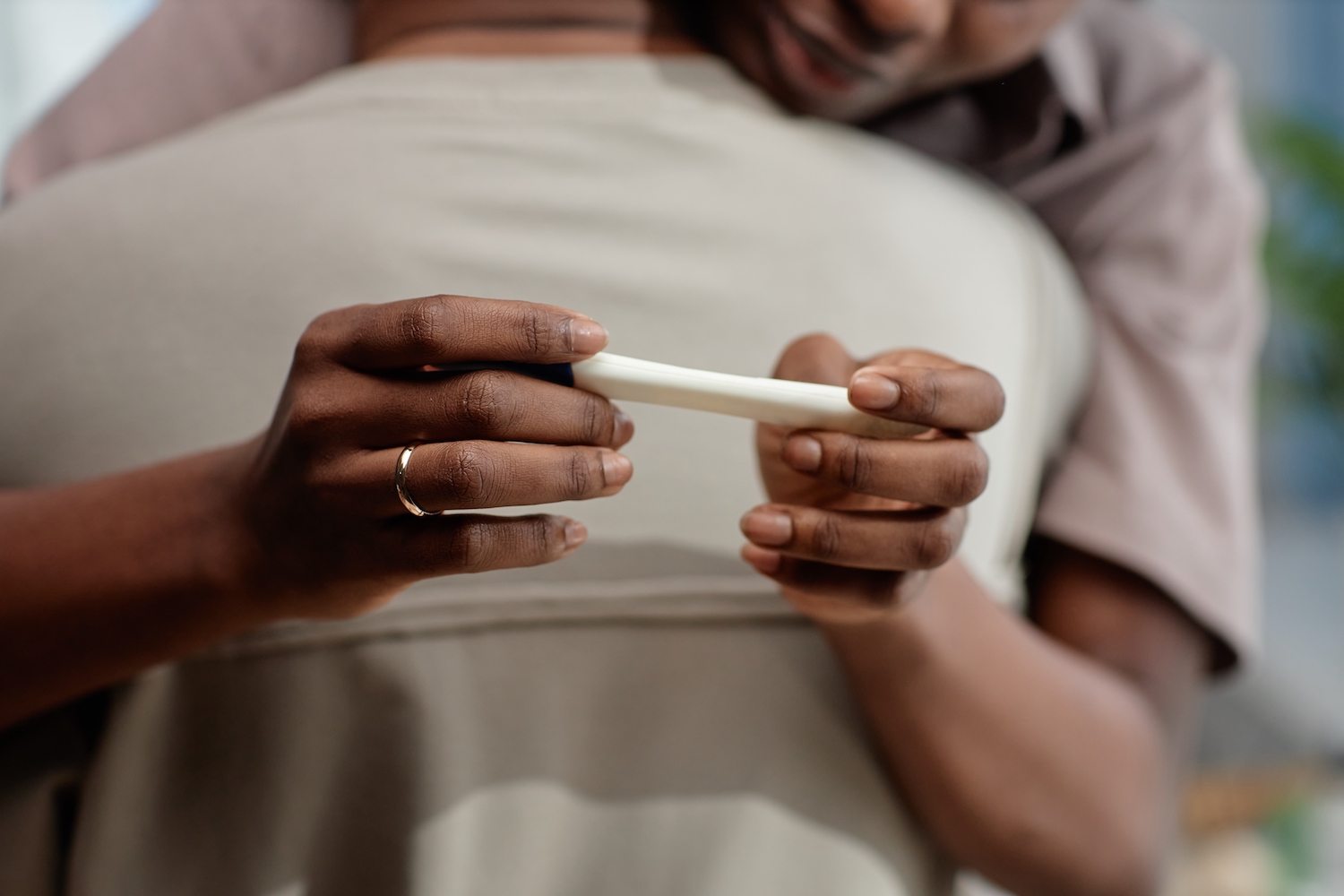
At Nordica Fertility Centre, IUI treatment in Nigeria is carefully planned around each patient’s menstrual cycle and fertility diagnosis. Our fertility specialists perform thorough evaluations before recommending treatment, ensuring that IUI is the most appropriate option based on your individual circumstances. When indicated, IUI may also be combined with Ovulation Induction & Cycle Monitoring to further optimise the timing of ovulation and improve the chances of conception.
What Is Intrauterine Insemination (IUI)?
Intrauterine Insemination (IUI), sometimes referred to as artificial insemination, is a fertility treatment in which specially prepared sperm is placed directly inside the uterus during a woman’s fertile window. Unlike natural conception, where sperm must travel through the cervix before reaching the fallopian tubes, IUI bypasses the cervical barrier and places healthy, concentrated sperm closer to the egg.
The sperm used during treatment may come from the woman’s partner or from a carefully screened donor, depending on the couple’s fertility needs and treatment plan.
Although IUI is generally less complex than In Vitro Fertilization (IVF), it can be an effective first-line treatment for selected fertility conditions. Because it is less invasive and often more affordable than IVF, many couples choose to begin with IUI before considering more advanced assisted reproductive technologies.
However, the success of IUI depends on several factors, including the woman’s age, the quality of the sperm, the health of the fallopian tubes, and the underlying cause of infertility. A detailed fertility assessment is therefore essential before treatment begins.
Who Can Benefit from IUI Treatment?
IUI is not suitable for every fertility diagnosis, but it can be highly effective for carefully selected patients. Your fertility specialist will recommend IUI only after evaluating both partners and confirming that the conditions are appropriate for the procedure.
IUI may be recommended for:
- Couples with unexplained infertility
- Women with mild endometriosis
- Women experiencing cervical mucus problems that interfere with sperm movement
- Couples with mild male factor infertility where sufficient healthy sperm are available
- Couples affected by severe Rhesus incompatibility, where the female partner is Rh sensitised and the male partner is Rh positive
- Men living with certain chronic medical conditions, including HIV, where specially prepared sperm can help reduce transmission risks under appropriate clinical protocols
- Individuals or couples requiring donor sperm to achieve pregnancy
Before recommending IUI, fertility specialists also assess whether the fallopian tubes are open and healthy, as fertilisation still takes place naturally inside the fallopian tube. If the tubes are blocked or severely damaged, treatments such as IVF may provide a better chance of pregnancy.
A Comprehensive Gynaecological Assessment may also be recommended to identify any underlying reproductive conditions that could influence treatment success.
How the IUI Procedure Works
Although IUI is relatively straightforward, every stage of the procedure is carefully coordinated to coincide with ovulation and maximise the chances of fertilisation.
Fertility Assessment and Treatment Planning
Your journey begins with a detailed consultation and fertility evaluation. This may include hormonal blood tests, pelvic ultrasound scans, semen analysis, and a review of your medical and reproductive history.
These investigations help determine whether IUI is the most appropriate treatment or whether another fertility option may offer better outcomes.
Ovulation Monitoring
Successful IUI depends heavily on timing. Before insemination, your menstrual cycle is carefully monitored to identify when ovulation is about to occur.
For women who ovulate naturally, monitoring may involve ultrasound scans and hormone testing to identify the fertile window.
For women who experience irregular ovulation, fertility medications may be prescribed through Ovulation Induction & Cycle Monitoring to stimulate egg development and improve treatment outcomes.
When the leading follicle reaches maturity, a Human Chorionic Gonadotropin (hCG) trigger injection may be administered to induce ovulation at the optimal time.
Sperm Collection and Preparation
On the day of treatment, a semen sample is collected from the male partner or prepared from donor sperm where appropriate.
Before insemination, the sample undergoes a specialised laboratory process known as sperm washing. This procedure separates the healthiest and most motile sperm from seminal fluid and other cells, resulting in a concentrated sample suitable for insemination.
Preparing the sperm in this way improves the quality of the sample used during treatment and supports the chances of successful fertilisation.
The Insemination Procedure
The IUI procedure itself is quick, minimally invasive, and usually completed within a few minutes.
Using a thin, flexible catheter, the prepared sperm is gently placed directly into the uterus around the time of ovulation. Most patients experience little or no discomfort, and anaesthesia is generally not required.
Following the procedure, patients are usually able to resume their normal daily activities shortly afterwards unless advised otherwise by their fertility specialist.
Pregnancy Testing
Approximately two weeks after insemination, a pregnancy test is performed to determine whether conception has occurred.
If pregnancy is confirmed, early ultrasound monitoring is arranged to assess the developing pregnancy. If treatment is unsuccessful, your fertility specialist will review the cycle, discuss possible reasons, and recommend the most appropriate next steps, which may include another IUI cycle or more advanced fertility treatments depending on your individual circumstances.
Benefits of IUI Treatment
For many couples, IUI offers an effective first step in fertility treatment before considering more advanced procedures. While it is not suitable for every fertility diagnosis, it can provide excellent outcomes when recommended for the right patients.
Some of the benefits of IUI include:
- A simple and minimally invasive fertility procedure
- Performed without surgery or general anaesthesia
- Short treatment time with minimal recovery
- Less expensive than many advanced fertility treatments
- Can be combined with ovulation induction medication to improve success
- Suitable for selected cases of male and female infertility
- Can be performed using partner or donor sperm when clinically appropriate
Because fertilisation still occurs naturally within the fallopian tube, IUI offers a more natural approach to assisted conception than IVF while still providing medical support to improve the chances of pregnancy.
What Factors Affect IUI Success?
Many patients ask about the IUI success rate in Nigeria, but there is no single success rate that applies to everyone. The likelihood of pregnancy depends on several important medical factors, and every couple’s fertility journey is unique.
Some of the factors that influence IUI success include:
Female Age
Age plays an important role in fertility. As women get older, both the number and quality of eggs naturally decline, which can affect pregnancy outcomes regardless of the treatment used.
Cause of Infertility
IUI generally produces better results for couples with unexplained infertility, mild male factor infertility, cervical factor infertility, or ovulation disorders. It is less likely to be successful when significant tubal damage or severe male infertility is present.
Ovulation Timing
Accurate timing is one of the most important aspects of IUI. Careful Ovulation Monitoring ensures that insemination takes place as close as possible to the release of the egg, increasing the opportunity for fertilisation.
Sperm Quality
The number of healthy, motile sperm available after laboratory preparation also influences treatment outcomes. Where more significant sperm abnormalities are identified, advanced fertility treatments such as IVF with ICSI may be recommended instead.
Overall Reproductive Health
A healthy uterus, open fallopian tubes, and good hormonal balance all contribute to successful conception. Addressing underlying medical conditions before treatment may improve the chances of pregnancy.
Donor Sperm IUI
In some situations, IUI may be performed using donor sperm rather than the male partner’s sperm. This option may be appropriate for couples experiencing severe male infertility, certain inherited genetic conditions, or other circumstances where donor sperm has been recommended by a fertility specialist.
At Nordica Fertility Centre, donor sperm treatments are supported by comprehensive counselling and careful medical screening. Patients receive clear information about the treatment process, legal considerations, and available options before proceeding.
Where donor sperm is being considered, our dedicated Sperm Donation programme provides access to carefully screened donor samples in accordance with established clinical protocols.
Why Choose Nordica Fertility Centre
Should additional fertility support become necessary, patients have access to a full range of assisted reproductive treatments, including IVF, Egg Donation, and other advanced fertility services available at Nordica Fertility Centre.
Begin Your Fertility Journey
Whether you are exploring fertility treatment for the first time or considering IUI after previous unsuccessful attempts, we are here to guide and support you every step of the way.
Book a consultation today to learn whether Intrauterine Insemination (IUI) is the right fertility treatment for you.
Frequently Asked Questions
What is IUI treatment?
At Nordica, we possess the latest methods for enhancing success in ART. We use many techniques and methods such as IMSI, PICSI, Laser Assisted Hatching and Microfluidic Sperm Sorting for successful treatments.
Who is a good candidate for IUI?
Is IUI painful?
How long does the IUI procedure take?
What happens if IUI is unsuccessful?
Can IUI be combined with fertility medication?
Take the
first step.
Because nothing compares to
the joy of holding your own baby.