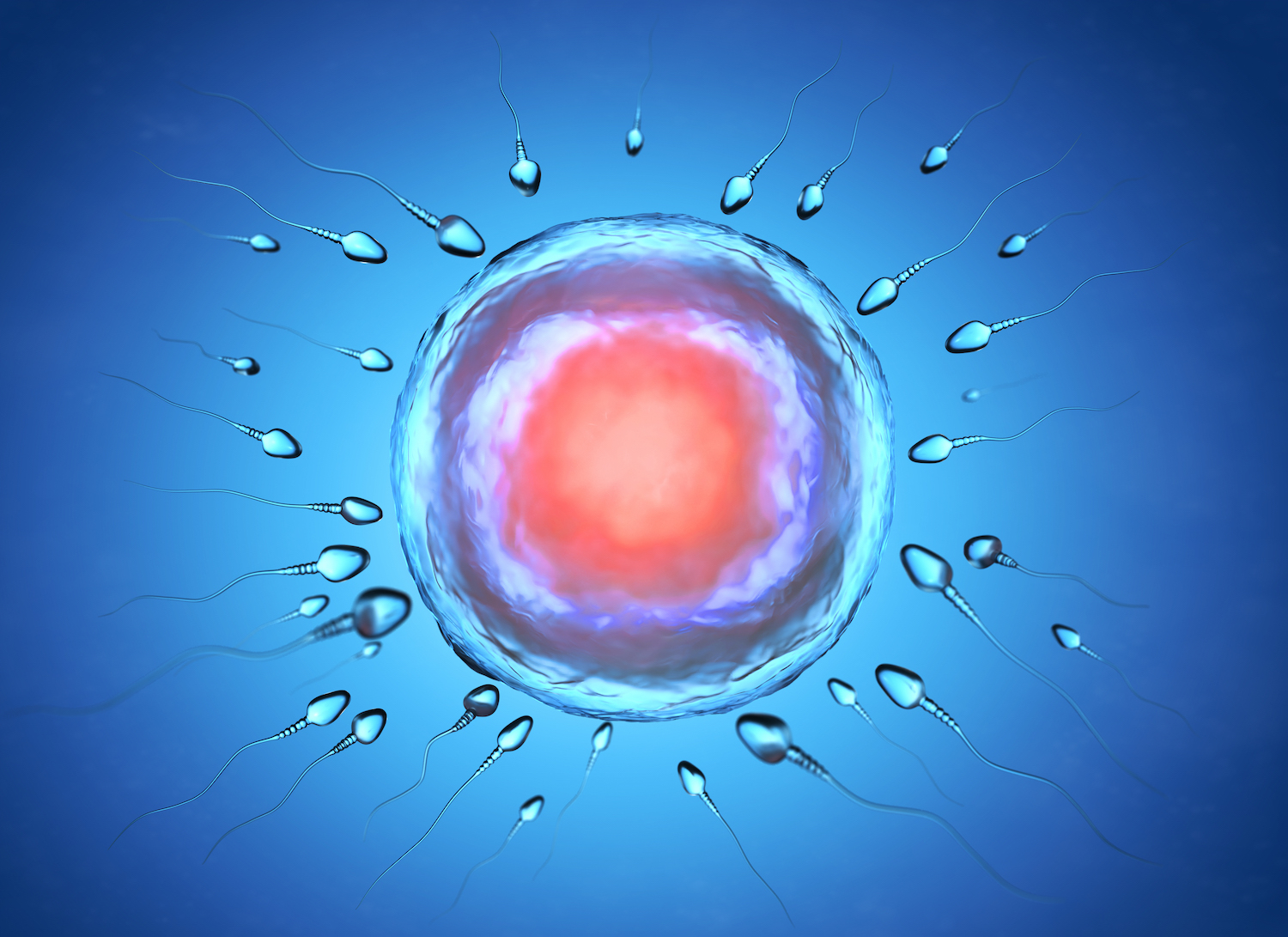
Sperm retrieval procedures are minor surgical techniques used to collect sperm directly from the testicles or epididymis when sperm cannot be obtained naturally through ejaculation.
These procedures are commonly recommended for men with azoospermia, a condition in which no sperm are present in the semen. Depending on the underlying cause, sperm may still be produced within the testes but prevented from reaching the semen because of a blockage, or sperm production itself may be significantly reduced.
Once sperm have been successfully retrieved, they are carefully examined in the embryology laboratory and, where suitable, used during an In Vitro Fertilization (IVF) cycle with Intracytoplasmic Sperm Injection (ICSI). Because surgically retrieved sperm are often fewer in number and less mature than ejaculated sperm, ICSI is typically the preferred fertilisation technique.
Azoospermia affects approximately 1% of all men and is responsible for a significant proportion of severe male infertility cases.
There are two main types of azoospermia:
Obstructive azoospermia occurs when sperm production inside the testes is normal, but a blockage prevents sperm from being released during ejaculation.
Possible causes include:
Because sperm production is often preserved, surgical sperm retrieval usually has a high likelihood of recovering viable sperm.
Non-obstructive azoospermia occurs when the testes produce very few sperm or no sperm at all due to impaired sperm production.
Possible contributing factors include:
Even in selected cases of non-obstructive azoospermia, sperm retrieval procedures may successfully recover sperm for use during IVF treatment.
Your fertility specialist may recommend TESA or PESA if you:
A comprehensive male fertility assessment, including hormone testing, semen analysis, ultrasound evaluation where appropriate, and genetic investigations, helps determine whether surgical sperm retrieval is the most appropriate treatment option.
The choice of procedure depends on the underlying cause of infertility and where sperm are most likely to be found.
TESA is a minimally invasive procedure that retrieves sperm directly from the testicular tissue using a fine needle.
The procedure is usually performed under local anaesthesia, with or without mild sedation, depending on the patient’s individual needs.
A small needle is inserted into the testis, and gentle suction is used to collect tissue or fluid containing sperm. The sample is immediately examined by embryologists in the laboratory to determine whether viable sperm are present.
TESA is commonly recommended for:
PESA involves retrieving sperm directly from the epididymis, the coiled tube located behind the testis where sperm mature and are stored.
Using a fine needle, the fertility specialist gently aspirates fluid from the epididymis, which is then examined in the embryology laboratory.
PESA is generally considered when sperm production is normal but a blockage prevents sperm from entering the ejaculate.
The procedure may be appropriate for men with:
Because the epididymis often contains mature sperm, PESA can provide an effective source of sperm for assisted reproduction in appropriately selected patients.
Following TESA or PESA, patients can usually return home the same day.
Mild swelling, bruising, or discomfort around the procedure site is common and generally resolves within a few days. Your fertility specialist may recommend:
Once retrieved, sperm are processed in the embryology laboratory and may be used immediately during an IVF cycle or cryopreserved for future fertility treatment where appropriate.
Because surgically retrieved sperm are often limited in number and may not be capable of fertilising an egg naturally, they are typically used together with Intracytoplasmic Sperm Injection (ICSI) during IVF treatment.
Depending on your fertility diagnosis, additional laboratory techniques such as Physiological Intracytoplasmic Sperm Injection (PICSI), Intracytoplasmic Morphologically Selected Sperm Injection (IMSI), or Microfluidic Sperm Sorting may also be recommended to optimise sperm selection before fertilisation.
Our fertility specialists develop an individualised treatment plan that considers both male and female fertility factors, ensuring every couple receives the most appropriate assisted reproductive care.
Nordica Fertility Centre provides comprehensive diagnosis and treatment for male infertility using advanced reproductive technologies and evidence-based clinical care.
Our experienced fertility specialists perform detailed evaluations to determine the underlying cause of azoospermia before recommending surgical sperm retrieval. Using modern laboratory facilities and internationally accepted protocols, our multidisciplinary team works closely with embryologists to maximise the chances of successful sperm retrieval and fertilisation.
From your initial consultation through fertility treatment and ongoing support, we provide personalised care tailored to your unique reproductive goals, helping couples navigate even the most complex male fertility challenges with confidence.
A diagnosis of azoospermia or severe male infertility does not mean your journey to parenthood has come to an end. With modern sperm retrieval techniques and advanced assisted reproductive technology, many couples can still achieve their dream of building a family.
At Nordica Fertility Centre, our experienced fertility specialists provide personalised care, advanced surgical expertise, and comprehensive fertility treatment tailored to your unique needs.
Schedule a consultation today to learn whether TESA or PESA could be the next step on your path to parenthood.