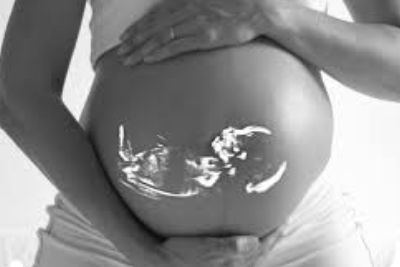
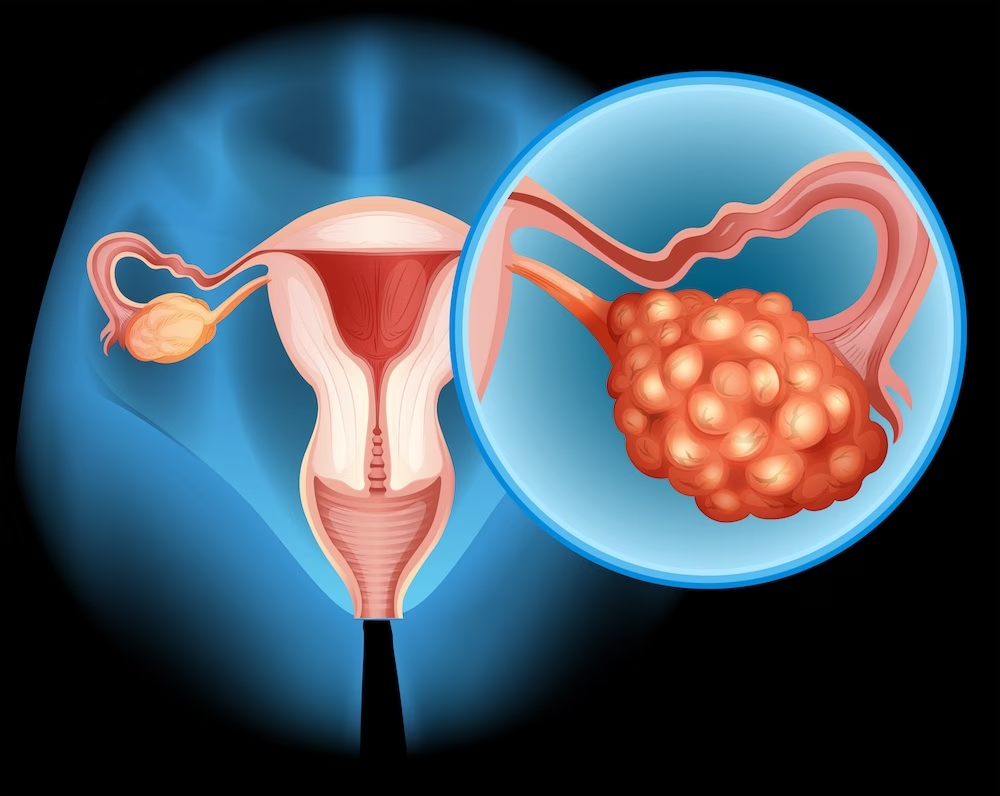
A fibroid diagnosis does not automatically mean you cannot get pregnant. Many people with uterine fibroids conceive and have healthy pregnancies. The effect, when there is one, depends mainly on where a fibroid sits, its size and number, whether it changes the shape of the uterine cavity, and other fertility factors.
What are uterine fibroids?
Uterine fibroids, also called leiomyomas or myomas, are non-cancerous growths made of muscle tissue in or around the uterus. They are common during the reproductive years. Some people have no symptoms, while others experience heavy or prolonged periods, pelvic pressure, pain, frequent urination or difficulty conceiving. Symptoms alone cannot show whether a fibroid is affecting fertility.
How can fibroids affect fertility?
Location matters. There are three locations to be aware of.
Submucosal fibroids grow toward or into the cavity where an embryo implants. They can alter the cavity and may reduce the chance of implantation or increase the risk of miscarriage.
Intramural fibroids sit within the muscular wall. Their impact is less predictable, but a large one that distorts the cavity may matter.
Subserosal fibroids grow on the outside of the uterus and are less likely to affect conception unless they are large or affect nearby structures.
Fibroids may also be one part of a more complex picture. Age, ovulation, fallopian tube health, sperm factors, endometriosis and other conditions all influence the chance of pregnancy. Finding a fibroid does not prove that it is the cause of infertility, and removing every fibroid is not always helpful.
How are fibroids assessed when pregnancy is a goal?
A fertility assessment typically reviews menstrual and pregnancy history, symptoms and previous treatment. Pelvic ultrasound can map the number, size and location of fibroids. Depending on the findings, a clinician may recommend additional imaging or a procedure that shows the inside of the uterine cavity. The same assessment should consider both partners and other possible causes of difficulty conceiving.
Seek fertility advice after 12 months of trying to conceive if you are under 35, or after 6 months if you are 35 or older. It is reasonable to seek help sooner if periods are very irregular, you have known fibroids that may distort the cavity, repeated pregnancy loss, or another known reproductive health concern.
What treatment options may be considered?
The plan depends on symptoms, the fibroid’s position, age, ovarian reserve, prior pregnancy history and how soon you hope to conceive. If a fibroid is not affecting the cavity and causes few symptoms, monitoring may be appropriate. When treatment is advised, options may include myomectomy, which removes fibroids while retaining the uterus, or selected minimally invasive approaches. Each option has benefits and risks, including possible scarring, recurrence, recovery time and implications for a future pregnancy.
Some treatments used to control bleeding or shrink fibroids are temporary and are not suitable while actively trying to conceive. HIFU may be appropriate for selected patients, but whether it fits a person’s fertility plans depends on individual clinical factors and the treating team’s advice. No treatment can guarantee conception.
Planning your next step
Ask your specialist: Does this fibroid change the uterine cavity? Is there evidence it is affecting fertility? What are the benefits and risks of treatment in my case? How long should I wait before trying to conceive or starting IVF? A shared plan can help avoid unnecessary treatment while addressing findings that may matter.
For more detail, read Nordica’s fibroid and fertility guidance, the Fibroid Care Centre’s introduction to HIFU and uterine fibroids, and Dr Abayomi Ajayi’s article on fibroids and IVF. The ASRM patient fact sheet on fibroids and fertility and NHS information on fibroids offer additional patient guidance.