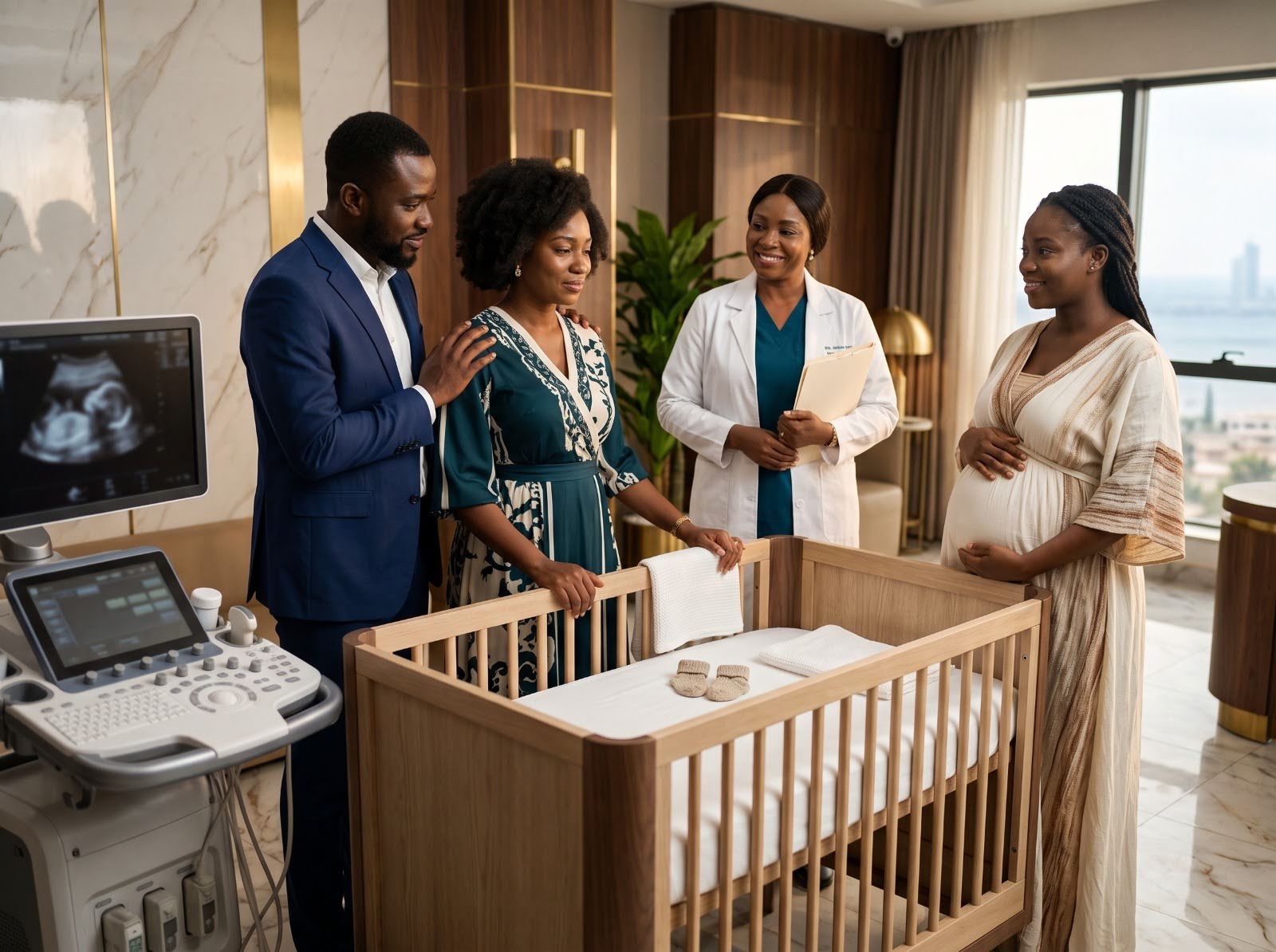
Sandra and her husband, John, had tried almost everything: endless hospital appointments, surgeries, fertility drugs, and several rounds of in vitro fertilisation (IVF). Every failed attempt drained not only their savings but also a little more of their hope for parenthood. So when their fertility specialist suggested surrogacy, it felt like both an answer and another leap into the unknown. “What will people say?” Sandra asked quietly. It is a question many Nigerian couples still wrestle with as surrogacy slowly moves from whispered conversations into mainstream reproductive healthcare.
For thousands of Nigerians living with infertility, surrogacy offers what may be their last chance to have a genetically related child. Yet the journey is rarely straightforward. Medical challenges, cultural expectations, religious beliefs, legal uncertainty, and the high cost of treatment combine to make the path to parenthood far more complicated than many imagine.
Infertility is more common than many people realise. In Nigeria, where having children is closely tied to marriage, family identity, and social acceptance, the emotional toll can be overwhelming. While adoption remains a meaningful option for many families, others long to raise a child who shares their genetic heritage.
Advances in assisted reproductive technology have made that possible through gestational surrogacy. In this arrangement, an embryo created through IVF is transferred into the womb of another woman, who carries the pregnancy on behalf of the intended parents. Unlike traditional surrogacy, the surrogate has no genetic connection to the baby. For many families, however, the greatest challenge isn’t the science. It’s everything that comes before and after it.
Couples often describe infertility as a private grief that never stays private. It brings repeated disappointment, awkward questions from relatives, and the persistent stigma attached to childlessness. In many Nigerian communities, infertility is still viewed largely as a woman’s burden, even though male factors account for nearly half of infertility cases.
The pressure can be relentless. Family gatherings become difficult. Religious services often include special prayers for childless couples. Friends and neighbours, usually with good intentions, recommend everything from herbal mixtures to spiritual solutions. By the time surrogacy is finally discussed, many couples have already spent years carrying emotional scars alongside financial strain.
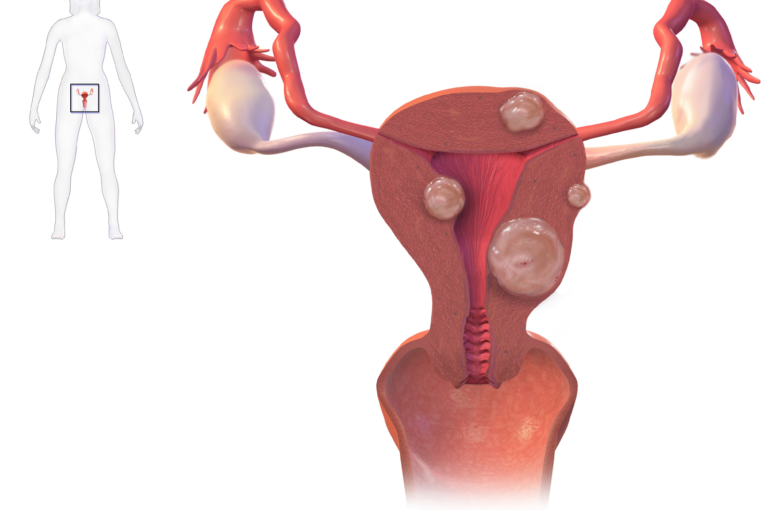
Surrogacy is not simply a lifestyle choice. It is usually recommended for women who cannot safely carry a pregnancy because they were born without a uterus, have undergone a hysterectomy, live with severe uterine abnormalities or have medical conditions that make pregnancy life-threatening.
Behind every successful surrogacy is a woman willing to undergo months of medical assessments, hormone treatment, pregnancy, childbirth, and recovery. Surrogate mothers should receive comprehensive medical care, psychological assessment and independent counselling before, during and after pregnancy. The decision carries emotional, physical and social consequences. Some women face criticism from people who misunderstand the arrangement. Others keep the pregnancy secret to avoid questions, gossip or judgement. For most Nigerians, however, the biggest obstacle is cost. But beyond cost, there lays hope of having a family
Culture and religion also shape public attitudes towards surrogacy. In many communities, pregnancy and motherhood are seen as inseparable, making it difficult for some people to accept that a woman can give birth to a baby she will never raise. These beliefs often encourage secrecy. Many parents choose not to disclose that their child was born through surrogacy, fearing misunderstanding, discrimination or social judgement. Lifelong secrecy may create emotional challenges for families and instead encourage age-appropriate openness built on trust rather than shame.
Beyond the medical journey lies another major hurdle. Although fertility clinics have developed protocols and require legal agreements before treatment begins, Nigeria still has no comprehensive national legislation regulating surrogacy. Lawyers therefore advise intended parents and surrogates to sign detailed contracts outlining parental rights, financial responsibilities, healthcare decisions and expectations before any medical procedure begins.
Even so, contracts cannot eliminate every dispute. Questions surrounding birth registration, legal parentage and disagreements that may arise during pregnancy remain unresolved, highlighting the urgent need for clear legislation. Comprehensive laws protect intended parents, surrogate mothers, healthcare providers and, above all, children born through surrogacy.
Nigeria’s fertility sector has nevertheless made remarkable progress over the past two decades. Nordica Fertility Centre and several other fertility centres now offer sophisticated IVF procedures, embryo freezing, genetic testing and gestational surrogacy comparable to international standards. These advances have enabled thousands of Nigerian couples to have children without travelling abroad.
Awareness is also improving. More couples now seek specialist care earlier instead of spending years relying solely on unproven remedies, and conversations around infertility are becoming more open. As infertility gains recognition as a public health issue rather than a private failing, surrogacy is gradually shedding some of the stigma surrounding it. Stronger regulation, better counselling services, ethical oversight, improved affordability, and sustained public education would help accelerate that progress.
For couples like Sandra and John, surrogacy is neither a shortcut nor an act of desperation. It is the end of a long journey marked by resilience, heartbreak and hope. When they finally held their newborn daughter, years of disappointment gave way to a joy neither could fully describe.
In a country where motherhood has long been measured by pregnancy alone, surrogacy is quietly reshaping old assumptions. It is broadening the definition of family, demonstrating the possibilities of modern medicine, and reminding Nigerians that the road to parenthood is not always the one nature first intended. Sometimes it follows a different path, but it leads to the same destination: a child deeply wanted and deeply loved.